NINETEEN
Concept
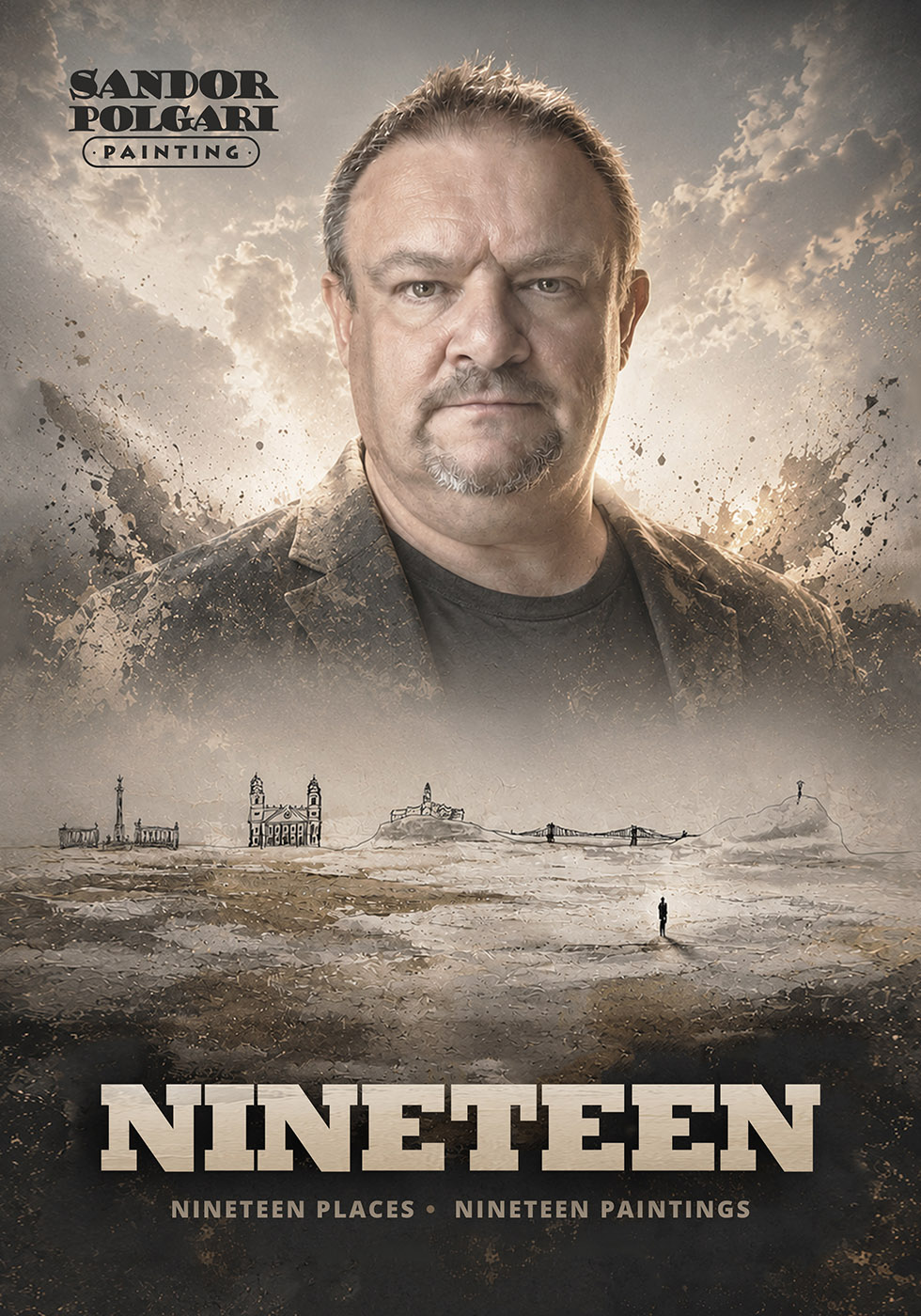
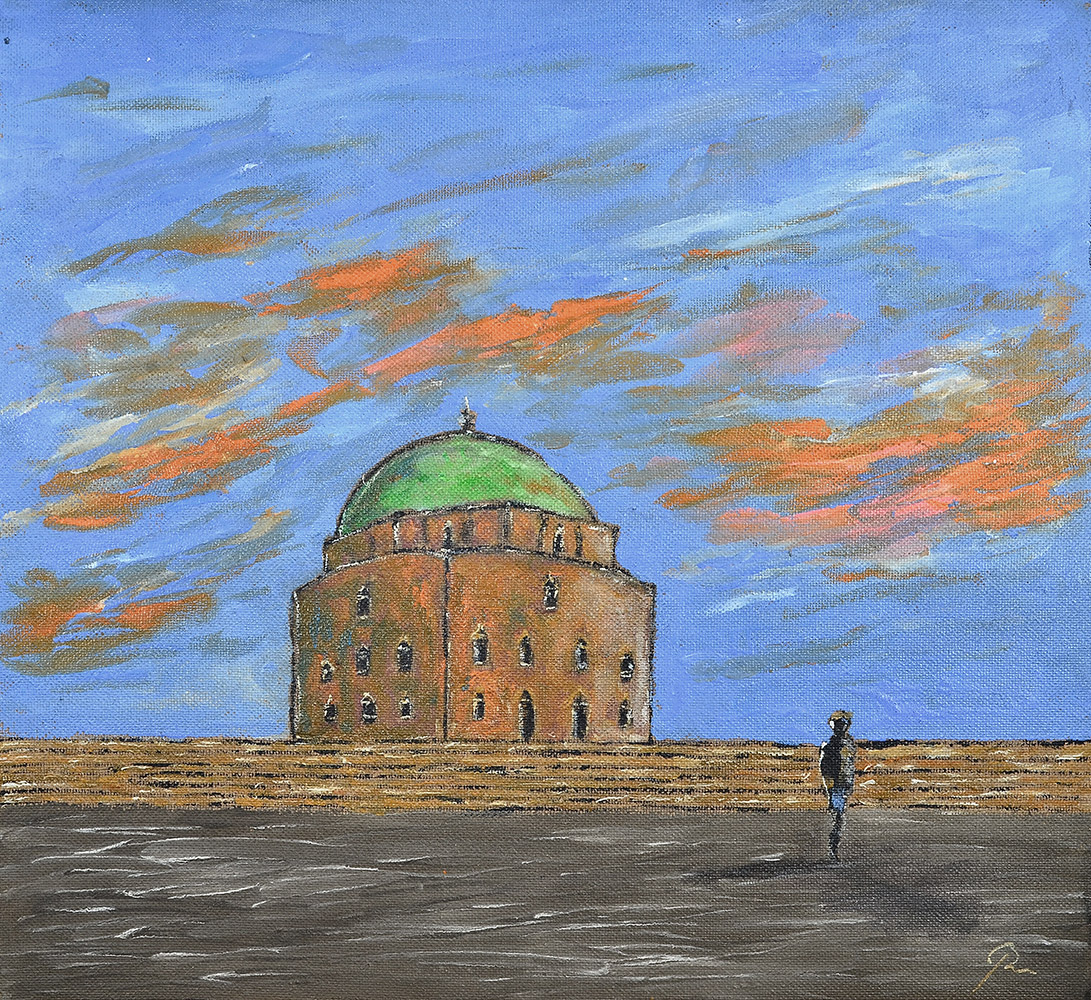
Nineteen familiar Hungarian landscapes and landmarks become distilled images of place, memory and cultural identity.
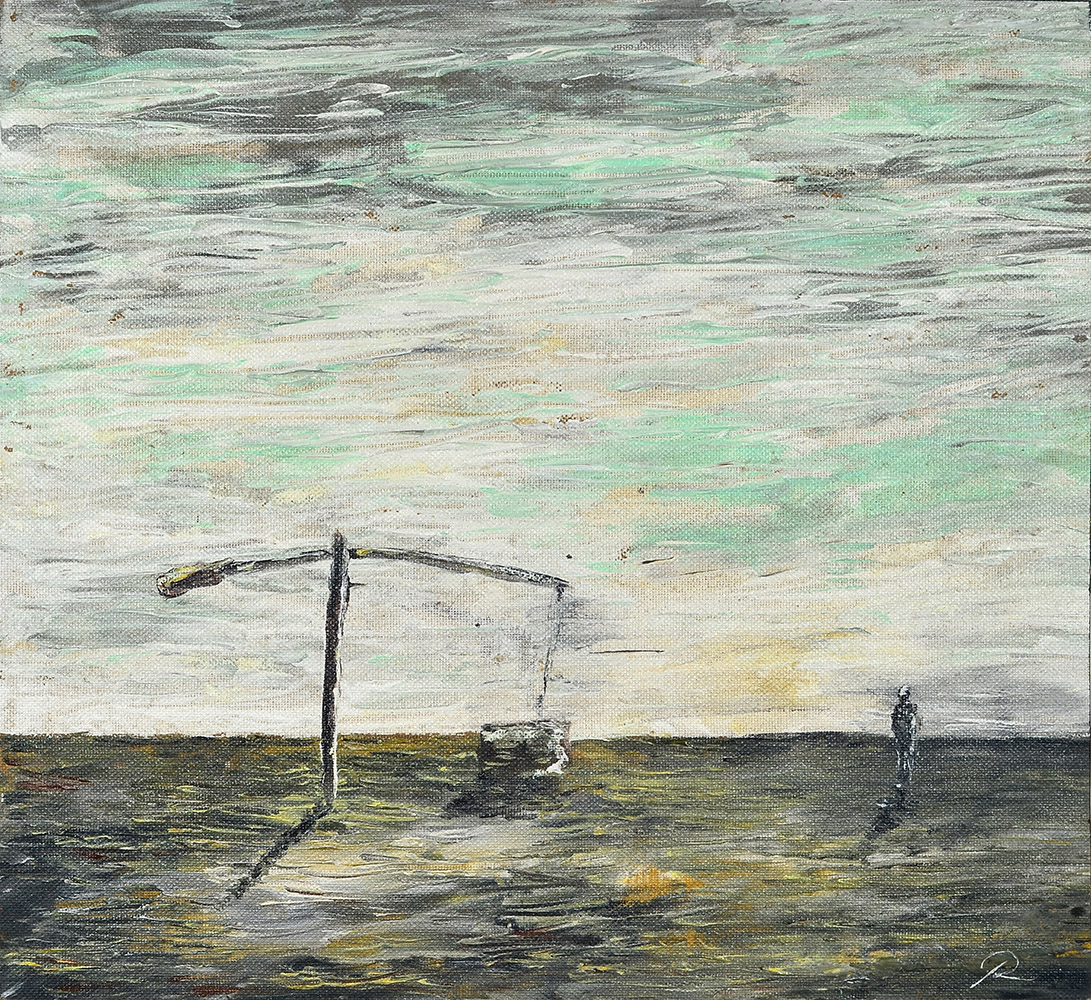
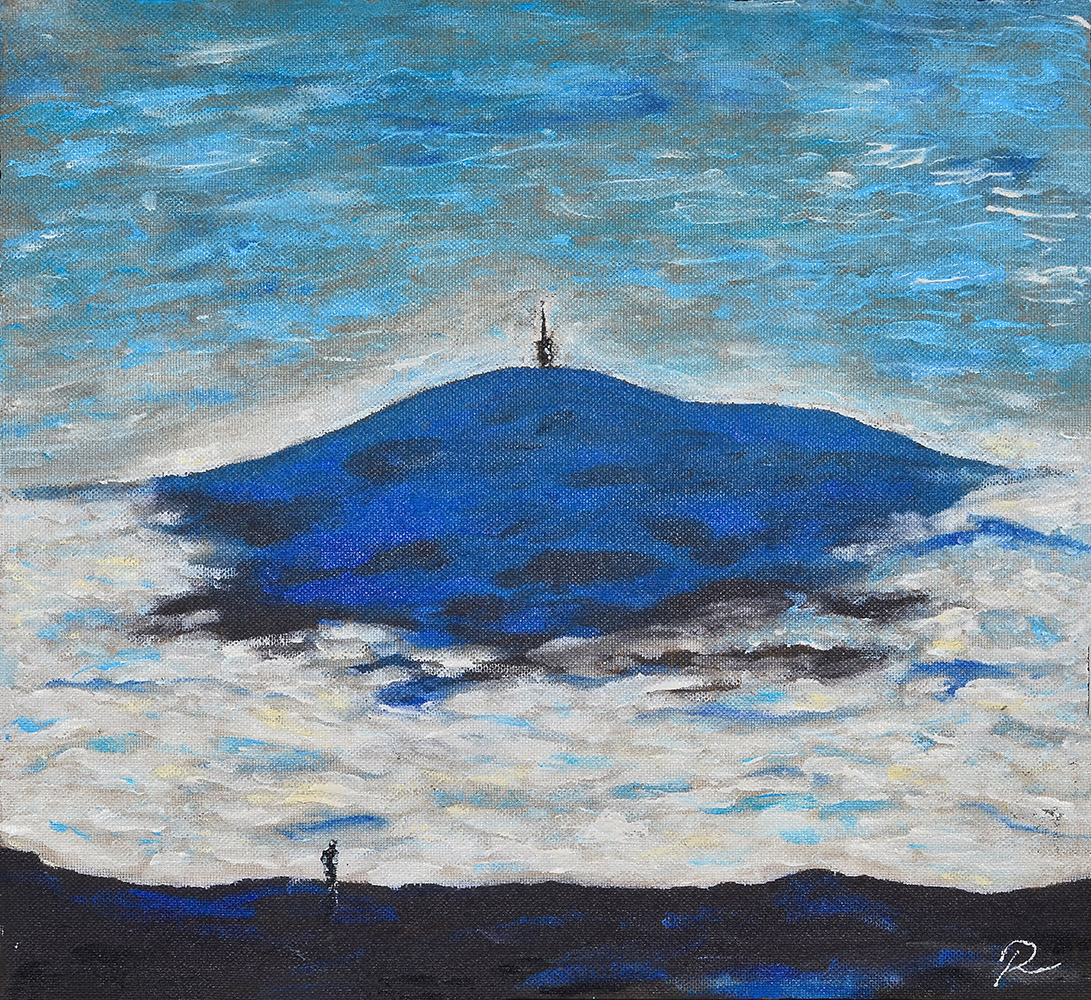
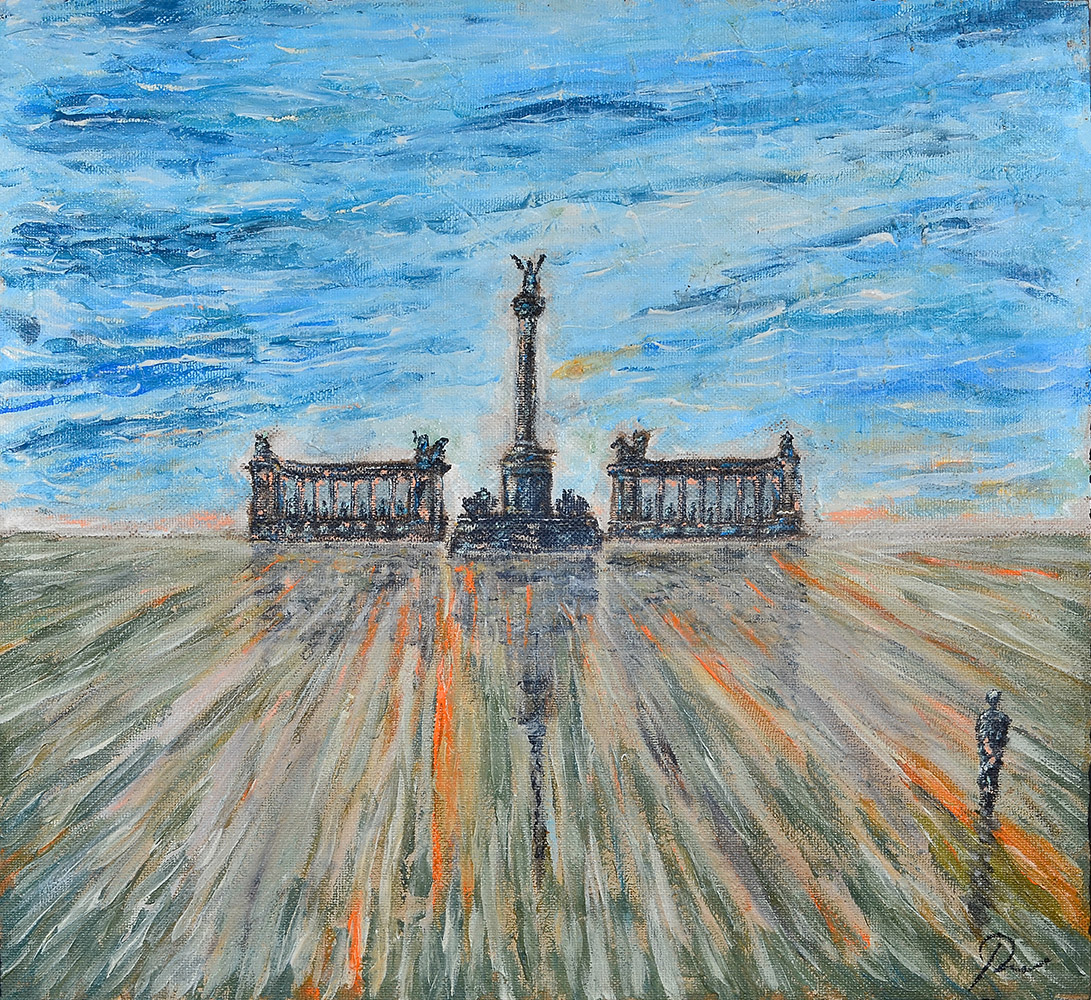
The NINETEEN series presents familiar Hungarian landscapes and landmarks through a reduced visual language in which places become signs. Rather than depicting locations as conventional views, the paintings isolate the forms, lines and silhouettes that make a landscape or building recognisable, reducing each image to its essential elements.
The large, open areas of the surfaces are as important as the forms within them. Absence and silence create space for memory and personal association. Each place emerges as a visual trace of its remembered presence, inviting recognition beyond the details of a particular view.
The series draws on Sándor Polgári’s more than twenty-five years of experience in graphic design and visual communication. His approach brings the economy of graphic language into painting, allowing a few characteristic forms to evoke an entire place.
Materiality further reinforces the connection between image and place. The paintings are built on raw, textured hardboard and HDF surfaces, using handmade structural pastes, clay-based bole and gesso. Gouache, acrylic and water-mixable oil paint are worked into the surfaces. A distinctive element is clay collected in Ziliz, a village in northern Hungary, bringing material from the landscape itself into the paintings.
Place thus exists in two forms: as image and as material.
Environmental awareness also informs the making of the series. The painting supports are reclaimed materials, and the structural materials incorporate natural components. The paints are water-based or water-mixable and solvent-free. The frames are made from reclaimed timber salvaged from the dismantled roof structure of a former municipal building in the Borsod region of Hungary.
A dedicated artist book accompanies the exhibition, bringing together all nineteen paintings in a single publication. It extends the project beyond the gallery and offers another way to encounter the works as a complete body.
The series comprises nineteen paintings. The absent twentieth work leaves the project open, echoing the empty surfaces that invite recognition, memory and personal interpretation.
Nineteen places. Nineteen paintings. An open map of Hungary.